Michigan Disability Planning Lawyer
Protect Your Loved One's Benefits While Still Providing for Them

In Short
A special needs trust protects a loved one with a disability from losing Medicaid or SSI, while still letting you leave them money or property. Direct gifts and inheritances can trigger an immediate loss of those benefits. A properly drafted trust pays for the extras (education, therapies, a better quality of life) while leaving the core benefits untouched. At Rutkowski Law Firm, we draft and fund the trust ourselves, for one flat fee agreed on before we start, so it's ready before it's ever needed.
Trusted by Over 450 Clients with a 4.9 Star Rating
The Rutkowski team is wonderful! They created my estate plan and it was a seamless and reassuring experience. They are personable, knowledgeable, and professional. I have confidence that my family will be protected. I highly recommend them!
Every single aspect of Rutkowski Law firm far exceeded our expectations. From their responsiveness, communication and customer service we could not be more pleased. If you are in the Detroit metro area and need Estate planning done look no further than Rutkowski Law.
- Families Helped
- 2,800+
- Assets Protected
- $2 Billion+
- Year Founded
- 2012
What Is a Special Needs Trust?
A special needs trust is a legal document that lets you leave money or property to a loved one with a disability without counting that money against the strict asset limits Medicaid and SSI enforce. Instead of an inheritance landing directly in your loved one's name, it sits inside the trust, managed by a trustee, and pays for things that improve quality of life without disqualifying them from the benefits they already depend on.
Why a Direct Gift or Inheritance Can Backfire
Most families don't realize the danger until it's already happened. Medicaid and SSI both cap the assets a recipient can hold, often around $2,000. A well-meaning inheritance, life insurance payout, or even a grandparent's gift can push a loved one over that line overnight, triggering a suspension of benefits until the money is spent down to nothing. A special needs trust exists specifically to prevent that outcome, by making sure the assets are never legally "theirs" to count.
What a Special Needs Trust Can and Can't Pay For
The trust is built to supplement government benefits, not replace them. It can pay for education, therapies, hobbies, travel, technology, and a caregiver's wages, the things that meaningfully improve a life without duplicating what Medicaid or SSI already provide. Paying directly for basic food or shelter can affect SSI eligibility, so we structure distributions carefully to stay inside the rules rather than risk the benefits the trust was built to protect.
Choosing a Trustee
This is often the hardest decision in the entire plan, harder than the drafting itself. A family member may understand your loved one's needs best but may not have the time or financial sophistication to manage a trust properly for decades. A professional fiduciary brings that expertise but not the personal history. Many families choose both, a family member as co-trustee alongside a professional, so neither piece is missing.
Special Needs Trust vs. a Direct Gift
A direct gift feels simpler in the moment, but it puts benefits at risk the day it arrives and offers no ongoing management once it's spent. A properly funded special needs trust protects eligibility for as long as the trust holds assets, and it keeps someone accountable for making sure the money is spent well, not just spent.
Who Should Consider a Special Needs Trust
Any family with a loved one receiving or expecting to need Medicaid or SSI should have this conversation before any inheritance, settlement, or life insurance payout is on the table, not after. It matters just as much for grandparents and other relatives who may want to leave something directly, since a gift outside the trust can undo the planning a parent already did. This isn't only a parent-and-child conversation either. Siblings who step in as a brother or sister's primary caregiver face the exact same benefits risk, and the exact same need for a trust that protects them without protecting them out of the support they already rely on.
Third-Party vs. First-Party Special Needs Trusts
The source of the money changes which type of trust you need. A third-party special needs trust, funded by a parent or grandparent for a loved one's benefit, has no payback requirement to the state when your loved one passes away. A first-party trust, funded with your loved one's own money (often from a settlement or an inheritance received directly before this planning was in place), generally does require Medicaid to be repaid first from what remains. Knowing which applies to your situation changes how we draft it.
Working Alongside an ABLE Account
An ABLE account is a tax-advantaged savings account available to some individuals with disabilities, and it can work alongside a special needs trust rather than replacing it. ABLE accounts have lower contribution limits and are best suited for smaller, more frequent expenses, while the trust handles larger gifts and long-term planning. We help families understand where each tool fits so nothing is duplicated and nothing is missed.
How a Special Needs Trust Fits Into a Complete Estate Plan
A special needs trust is usually one piece of a larger plan that names a guardian for your loved one, coordinates with any government benefits already in place, and makes sure every other family member's will or trust routes their gifts through the special needs trust instead of directly to your loved one by name. We check every document in your Asset Shield™ for that kind of gap, not just the trust itself.
Frequently Asked Questions
Estate Planning Guide
Estate planning protects your assets and makes sure your estate is distributed according to your wishes after your death.
Read the top 10 most common mistakes our estate planning team sees. Free to read, right on the page. No download or email required.

Guiding the Firm, Protecting Families
Whether you need a will, trust, asset protection plan or are in need of medicaid crisis planning, our team is here to help! We are dedicated to providing you with the best legal representation possible. Call us today to book your consultation.
Meet the Whole Team
Estate Planning for Michigan Families
Don't leave your family with a useless binder.
Most firms hand you a template and expect you to do the work. We provide a Done-For-You process that handles Trust Funding and Asset Protection.
We specialize in protecting your home from the 5-Year Medicaid Look-Back, ensuring your house stays in your family and out of the state's hands. Plan now so you never become a burden to those you love.
Pick a time for your call
Choose a day and time below and our customer success team will call you then. It takes about 15 minutes, there is no cost, and no legal preparation is required.
What to expect: this is a short phone call (about 15 minutes) with our customer success team, not a Zoom meeting or a meeting with an attorney. We'll learn what you need and schedule your consultation, in person at one of our offices or by Zoom, at a time that works for you.
Loading availability…
Prefer to talk now? Call 248-792-9193.
Where We Serve Michigan Families
Serving all of Michigan by video
Rutkowski Law Firm's offices are in Troy and Rochester, but we work with families everywhere in Michigan, from Ann Arbor to Marquette. Every meeting can happen over Zoom, and a virtual notary handles the signing. So you can work with the team behind more than 400 Google reviews, rated 4.8 stars, without ever making the drive.

Name a Trustee and Caregiver in Special Needs Planning
Discover why selecting the right trustee and caregiver is crucial in securing the future care and financial stability of a loved one with special needs.
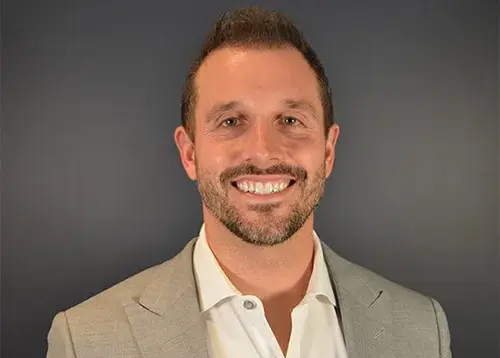
Founder / Attorney

Should You Choose a Professional Fiduciary or a Trusted Friend?
For solo agers and those without close family, choosing the right trustee or power of attorney requires careful thought.
Founder / Attorney

Choosing the Right Trustee: Your Legacy Depends on It
A trustee’s role is more than signing paperwork—it’s protecting your family and your wishes.
Founder / Attorney