Michigan Living Will Lawyer
Protect Your Family From Guessing Your Medical Wishes

In Short
A Living Will protects your family by spelling out the medical treatment you want, and don't want, if you're ever unable to speak for yourself, covering things like life support and resuscitation. Michigan doesn't have a standalone Living Will statute, so we build your treatment wishes directly into your patient advocate designation, for one flat fee, which makes them legally enforceable instead of just a helpful reference.
Trusted by 2,800+ Michigan Families · 450+ Google Reviews
Rutkowski Law did an amazing job! They were knowledgeable and answered all our questions throughout the process. The staff is very friendly.
Very professional and supportive as I moved through the estate planning process. Great communication and very easy to work with. They were upfront about the fee schedule. I highly recommend this firm.
- Families Helped
- 2,800+
- Assets Protected
- $2 Billion+
- Year Founded
- 2012
What Is a Living Will?
A Living Will is a written statement of the medical treatment you want, and don't want, if you're ever unable to communicate your wishes yourself. It typically covers life support, resuscitation, and artificial nutrition or hydration, the decisions families most often disagree about during a medical crisis, precisely because no one knows for certain what their loved one would have chosen.
Does Michigan Recognize Living Wills?
Michigan is one of the states without a dedicated Living Will statute. That doesn't mean your treatment wishes don't matter, it means the legal mechanism that makes them enforceable is different than in states that have one. We build your specific wishes directly into your patient advocate designation, which does have clear statutory backing in Michigan, so your preferences carry legal weight instead of sitting as an informal reference document.
Living Will vs. Patient Advocate Designation
These two documents answer different questions, and confusing them leaves a real gap. A patient advocate designation names who decides for you. A Living Will (built into that designation, in Michigan's case) tells that person what you actually want. A name without instructions leaves your advocate guessing. Instructions without a named decision-maker leave no one with the legal authority to act on them. Both pieces have to exist together.
Why This Prevents Family Conflict
Some of the most painful disputes we see between siblings happen not over money, but over disagreement about what Mom or Dad would have wanted medically, with each sibling certain they know best. A written Living Will removes that uncertainty. It's not one sibling's opinion against another's, it's your own words, decided while you had full capacity to think it through calmly. If you're the adult child trying to get a parent to do this, that's the honest pitch: it protects your parent's wishes, but it also protects you and your siblings from ever having to guess, or disagree, on their behalf.
What a Living Will Does Not Cover
A Living Will addresses medical treatment decisions only. It doesn't cover your finances, and it doesn't determine who inherits your property. Those require a durable power of attorney and a will or trust, separate documents built alongside your healthcare wishes as part of the same overall plan.
Who Should Have a Living Will
Every adult, not just older clients. A serious accident or sudden illness can happen at any age, and the earlier these wishes are documented while you're healthy and clear-headed, the less likely your family is to face this decision without guidance during an emergency.
Common Treatment Decisions to Address
The specific decisions worth spelling out include whether you want CPR attempted (a DNR/DNI preference), whether you want a ventilator if breathing on your own becomes impossible, whether you want artificial nutrition and hydration if you can no longer eat, and whether you want treatment focused on comfort rather than cure once recovery is no longer realistic. Vague language like "no heroic measures" means different things to different doctors. We help you put these wishes in terms a hospital can actually act on.
Reviewing and Updating Your Wishes
What you'd want at 55 isn't necessarily what you'd want at 85, and a diagnosis can change your priorities overnight. We recommend revisiting these wishes whenever your health changes meaningfully, and at minimum every few years, so the document your advocate is relying on still reflects who you are today, not who you were when you first signed it.
How a Living Will Fits Into a Complete Estate Plan
Your Living Will and patient advocate designation cover medical decisions while you're alive but unable to communicate. Your durable power of attorney covers finances during that same period. Your will or living trust covers what happens after you die. We build all four as one coordinated Asset Shield™, so every stage of life, and every stage after it, is actually covered.
Frequently Asked Questions
Estate Planning Guide
Estate planning protects your assets and makes sure your estate is distributed according to your wishes after your death.
Read the top 10 most common mistakes our estate planning team sees. Free to read, right on the page. No download or email required.

Guiding the Firm, Protecting Families
Whether you need a will, trust, asset protection plan or are in need of medicaid crisis planning, our team is here to help! We are dedicated to providing you with the best legal representation possible. Call us today to book your consultation.
Meet the Whole Team

Estate Planning for Michigan Families
Don't leave your family with a useless binder.
Most firms hand you a template and expect you to do the work. We provide a Done-For-You process that handles Trust Funding and Asset Protection.
We help you plan around the 5-Year Medicaid Look-Back, so your house can stay in your family and out of the state's hands. Plan now so you never become a burden to those you love.
Pick a time for your call
Choose a day and time below and our customer success team will call you then. It takes about 15 minutes, there is no cost, and no legal preparation is required.
What to expect: this is a short phone call (about 15 minutes) with our customer success team, not a Zoom meeting or a meeting with an attorney. We'll learn what you need and schedule your consultation, in person at one of our offices or by Zoom, at a time that works for you.
Loading availability…
Prefer to talk now? Call 248-792-9193.
Where We Serve Michigan Families

Serving all of Michigan by video
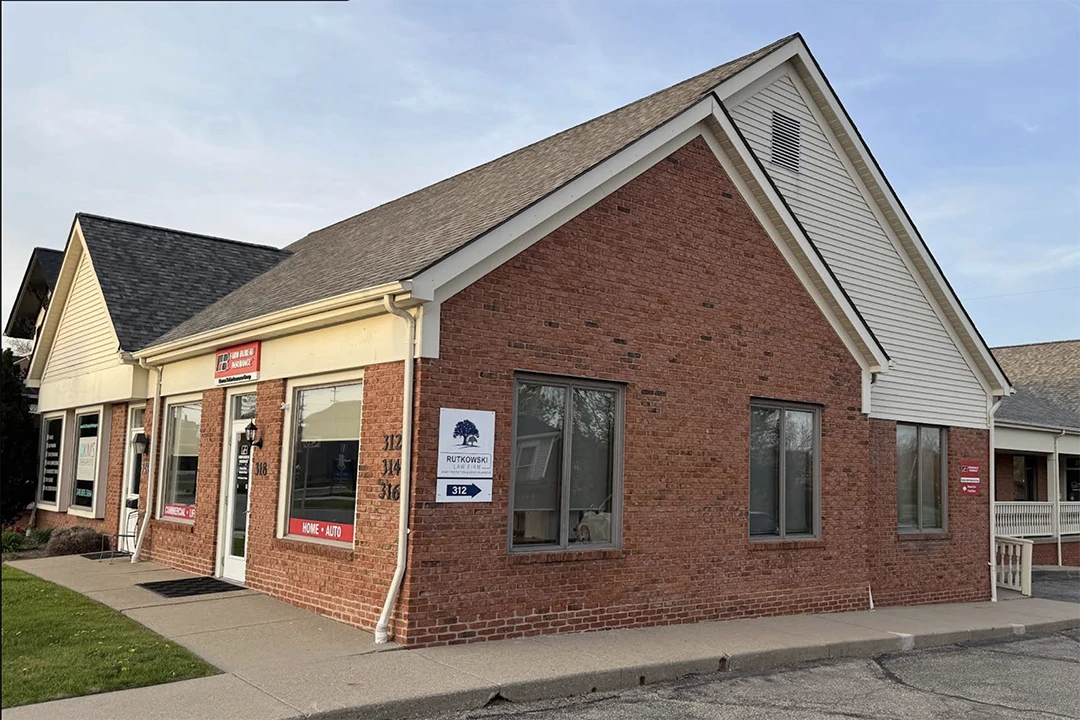
Rutkowski Law Firm's offices are in Troy and Rochester, but we work with families everywhere in Michigan, from Ann Arbor to Marquette. Every meeting can happen over Zoom, and a virtual notary handles the signing. So you can work with the team behind more than 400 Google reviews, rated 4.8 stars, without ever making the drive.

How Do I Create a Living Will in Michigan?
Learn how state law handles end-of-life wishes and why a Patient Advocate Designation gives your family true peace of mind.

Founder / Attorney

Living Will vs Patient Advocate Designation: What Michigan Families Should Know
Learn why relying on a generic living will leaves your family exposed—and how state law handles medical choices.
Founder / Attorney

Does your Medical POA have the authority they actually need?
Why choosing a trusted family member is only half the battle—and the legal triggers that determine when they can act.
Founder / Attorney