
What If I Already Gave Away My Assets? Medicaid Mistakes You Can Still Recover From
Gifting your home or savings may seem generous—but if you need long-term care, that decision can cost you. Here’s what to do if it’s already done.
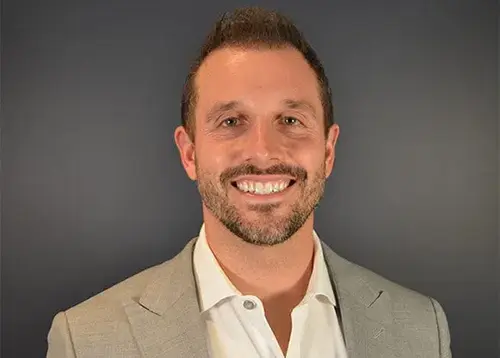
Founder / Attorney

Michael L. RutkowskiJanuary 20, 2026
The Most Overlooked Risk in Estate Planning
Estate planning is about more than just drafting documents. It’s about preparing your family for what happens next — emotionally, logistically, and legally. One of the most important decisions in the process is who you name to carry out your wishes: your executor, trustee, or agent under a power of attorney.
For many people, that choice feels obvious. It’s usually “the responsible one.” The firstborn child. The sibling who always keeps the family calendar. The person you’ve leaned on in the past.
But even the most dependable person on paper might not be ready — or right — for the job.
We’ve worked with families across Michigan who found themselves in turmoil, not because the legal paperwork was wrong, but because the person named to act simply wasn’t prepared.
Maybe they lived across the country.
Maybe they were overwhelmed with work and raising kids.
Maybe they weren’t emotionally equipped to handle grief while also managing family expectations and financial logistics.
In one family’s case, the parents named their oldest son as successor trustee. He was a high-performing professional known for his organization. But when the father passed away, the son struggled to step in. He delayed distributions, avoided sibling conversations, and held off on critical decisions — all because he felt pressure he wasn’t prepared for.
His younger sister — who had been more involved in their parents’ care — felt left out. Frustration grew. The siblings stopped speaking. The plan itself didn’t fail. But the relationships did.
People often forget that estate planning happens in the context of grief, stress, and emotional history. If there’s unresolved tension between siblings or if your chosen trustee is viewed as “the favorite,” those dynamics can explode under pressure.
Even with the best intentions, your plan can unintentionally cause pain if it ignores how people actually feel. That’s why we help families talk about these choices upfront — not after the fact.
Before you finalize your estate plan, ask yourself a few hard but honest questions about the person you’ve chosen:
If you’re unsure about any of these, that’s your signal to pause and reevaluate.
We guide families through realistic planning strategies that go beyond just naming a name. That may include:
This kind of clarity helps avoid surprises — and resentment — down the line.
Estate planning isn’t a one-and-done event. It’s an evolving process. Families change. Relationships shift. Circumstances you didn’t expect — like illness, relocation, or estrangement — can all impact who should be in charge.
The most important thing is being willing to revisit your plan and make changes when needed. Our team helps Michigan families do just that — with care, with experience, and with the future in mind.
If reading this made you second-guess your choices, don’t worry. That’s the right instinct. Reach out to us. We’ll walk through your plan, look at your decision-makers, and help you build a structure that protects not just your assets — but your family.
Estate Planning is an essential process that will protect your assets and ensure you’re your estate is distributed according to your wishes after your death.
Many people make mistakes when creating their estate plan, which can lead to unnecessary stress, confusion, and costly legal battles for their loved ones. Below, our estate planning team put together the top 10 and most common mistakes we see in estate planning.

Gifting your home or savings may seem generous—but if you need long-term care, that decision can cost you. Here’s what to do if it’s already done.
Founder / Attorney

That generous gift may feel right in the moment. But without a plan, it could cost you—and your kids—much more than you think.
Founder / Attorney

Protect your home with proactive medicaid planning to avoid costly Medicaid Estate Recovery with smart legal strategies before long-term care is needed.
Founder / Attorney