
What If I Already Gave Away My Assets? Medicaid Mistakes You Can Still Recover From
Gifting your home or savings may seem generous—but if you need long-term care, that decision can cost you. Here’s what to do if it’s already done.
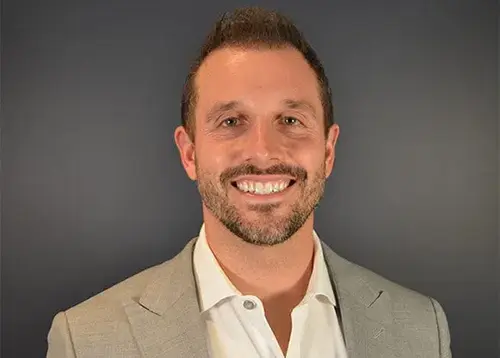
Founder / Attorney

Michael L. RutkowskiSeptember 3, 2025
Many individuals view estate planning primarily as determining who will receive their assets. However, an important aspect that is frequently overlooked is managing your debts. Financial obligations, such as credit card debts, auto loans, and medical expenses, do not disappear upon death; instead, they are addressed through a formal legal procedure called probate.
It is crucial to comprehend how debts are managed after a person’s passing to safeguard your estate and support your loved ones.
When an individual passes away, their estate is tasked with settling any outstanding debts. During the probate process, the court supervises the allocation of assets and ensures that legitimate creditors are paid before any inheritance is distributed to heirs.
This can encompass:
If the estate lacks sufficient assets to cover the debts, creditors usually absorb the loss. However, if there are probate assets available—such as a bank account solely owned by the deceased, a home in their name only, or other titled properties—those assets may be utilized to settle the outstanding obligations.
Some assets are protected from creditor claims because they are exempt from the probate process entirely. These typically include:
Since these assets don’t flow through probate, they’re not subject to the same creditor review. That means careful planning can keep more of your estate in your family’s hands—if you set things up the right way.
Too often, families believe that having a will or designating beneficiaries is sufficient. However, without careful planning regarding debts, your loved ones may face court delays, diminished inheritances, or even the need to sell treasured assets to satisfy creditors.
Estate planning goes beyond just determining “who gets what,” it’s about minimizing uncertainty and providing your family with a more straightforward, smoother path ahead.
The earlier you begin planning, the more options you’ll have at your disposal. Even if care is needed immediately or in the near future, it’s still possible to develop a strategy that safeguards a substantial portion of your resources.
Taking time to understand how debt factors into estate planning can make all the difference. With the right strategy, you can help ensure that your loved ones receive what you intended and that your legacy is protected, rather than being picked apart.
Want to learn how to structure your estate with clarity and care? Reach out today to get the conversation started.
Estate Planning is an essential process that will protect your assets and ensure you’re your estate is distributed according to your wishes after your death.
Many people make mistakes when creating their estate plan, which can lead to unnecessary stress, confusion, and costly legal battles for their loved ones. Below, our estate planning team put together the top 10 and most common mistakes we see in estate planning.

Gifting your home or savings may seem generous—but if you need long-term care, that decision can cost you. Here’s what to do if it’s already done.
Founder / Attorney

That generous gift may feel right in the moment. But without a plan, it could cost you—and your kids—much more than you think.
Founder / Attorney

Protect your home with proactive medicaid planning to avoid costly Medicaid Estate Recovery with smart legal strategies before long-term care is needed.
Founder / Attorney